














UK-headquartered consultant Turner & Townsend has issued its 2026 office cost fit-out guide, which found that demand is rising for premium, highly amenitised office space and that costs are rising as supply declines.
The report analyses 58 global office markets, finding that competition is driving spending in the top six markets worldwide: New York, London, Buenos Aires, San Francisco, Zürich and Los Angeles.
In these markets, high-specification fit-outs cost more than US$5,000 per sq m on average.

As flexible working becomes more common, businesses are investing in offices that are either customisable or contain better technology, collaborative and social areas.
GCR spoke to Richard de Klerk, Turner & Townsend’s group director in Africa, about the report and the state of the industry.
How is the office fit-out sector performing in general globally and also regionally?
Globally, the office fit-out sector is performing better than many expected, but it is a more selective market than before. Demand is not returning evenly across all office stock. It is concentrated in high-quality, well-located, sustainable and technology-enabled workplaces.
In Africa, the same trend is visible, although with stronger local cost pressures. Markets such as South Africa, Kenya, Nigeria, Morocco and Egypt are seeing demand for Grade A offices from multinational service providers.
However, African fit-out pricing is particularly exposed to imported materials, currency fluctuations, duties, energy resilience requirements and the global political climate. Therefore, the sector is active, but more cost-sensitive and risk adverse.

Are there any surprises for you in this year’s guide?
The surprise is not that the major global cities remain expensive but rather that premium fit-out costs have continued rising despite hybrid working driving a reduction in overall space requirements.
That shows us that the office hasn’t disappeared from corporate strategy. It has become more important as an environment for collaboration, culture and attracting top talent.
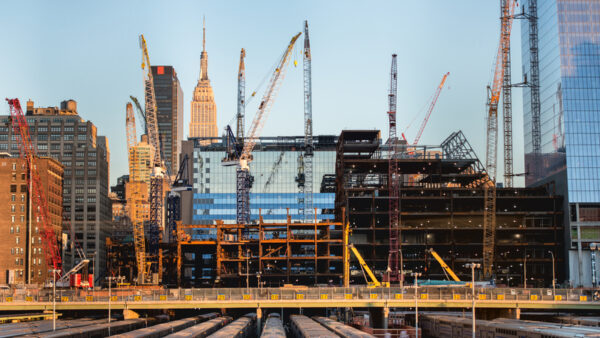
New York, London, Singapore and other gateway cities continue to show that when occupiers commit to flagship offices, they are willing to spend.
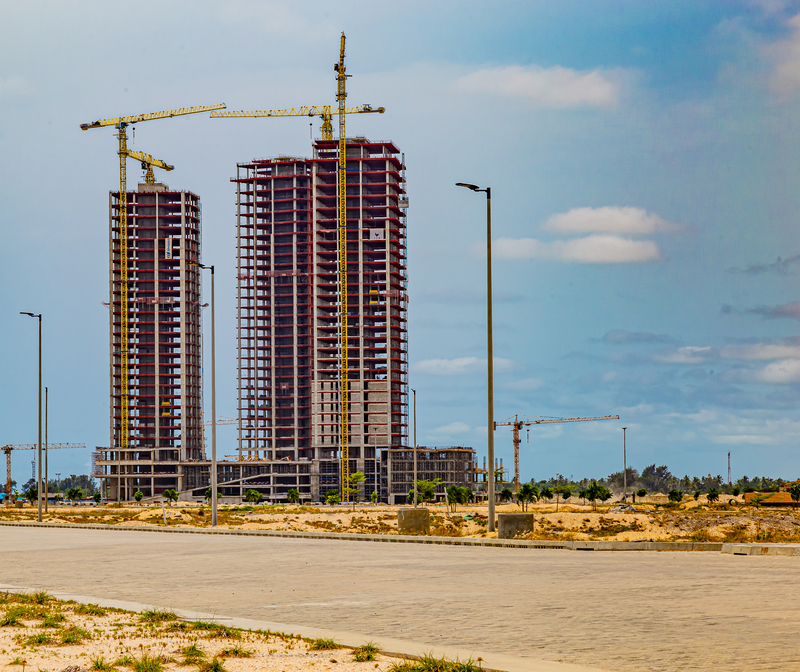
In Africa, Lagos stands out as the continent’s most expensive fit-out market, which is understandable given import dependency, logistics and local currency volatility.
Does this allow you to make any predictions about the future?
A few. Firstly, the gap between prime and sub-grade offices will widen. The best buildings will continue to attract occupiers, investment and rental growth, while older buildings without strong amenities, ESG credentials, power resilience or flexible layouts will struggle.
Secondly, fit-out budgets will continue shifting toward technology, collaboration, wellness and sustainability. The workplace is no longer just a cost centre, but rather part of the employee value proposition.
Thirdly, in Africa, occupiers will increasingly prioritise buildings that solve operational risk: reliable IT infrastructure, security, access and resilient building systems. Those factors will matter as much as location.
Does the report act as a barometer for the economy or construction industry at large?
It can, depending on how the data is interpreted. Fit-out activity reflects business confidence, hiring intentions, capital expenditure appetite and general occupier sentiment.
When companies are prepared to invest in high-quality workplaces, it generally signals confidence in long-term operations.
It is also a useful construction-sector indicator because fit-out costs respond quickly to labour availability, imported materials, MEP pricing, logistics and exchange-rate volatility.
In African markets especially, the fit-out sector often reveals cost pressure before it is fully visible in broader real estate data.
What do you think is driving the demand for A grade office space across African markets?
Occupiers want buildings that help them attract staff, host clients, support hybrid work and reduce operational disruption.
Grade A office space typically meets multinational quality standards, providing reliable building services infrastructure, sustainability credentials and access to amenities.
How is the office market changing while home working is becoming more common?
Work from home or hybrid working is now commonplace, but it hasn’t made the office irrelevant. It has seen the role of the office evolve.
People no longer come in simply because there is a desk. They come in for collaboration, mentoring, client engagement, training, culture and social connection.
That means offices need to provide a better experience than home: better technology, better meeting spaces, better wellness and better flexibility.
What will happen to office buildings if working in one becomes less commonplace?
The best office buildings will remain offices, but they will become more flexible, more serviced and more experience-led.
The weaker buildings face a more difficult future. Some will need refurbishment or repositioning through conversion to residential, student accommodation, education or mixed-use, to prevent them becoming stranded assets.
- The 2026 office cost fit-out guide is available here.
Further Reading: