











Move comes amid hostile US policies and talk of Canada becoming “51st state”.
Infrastructure Ontario has picked a team including AtkinsRéalis, GHD, Ernst & Young, Wood, Turner & Townsend, and Indigenous consulting firm Mokwateh to carry out a feasibility study for a proposed East-West Pipeline and Energy Corridor that would run from Alberta to Ontario.
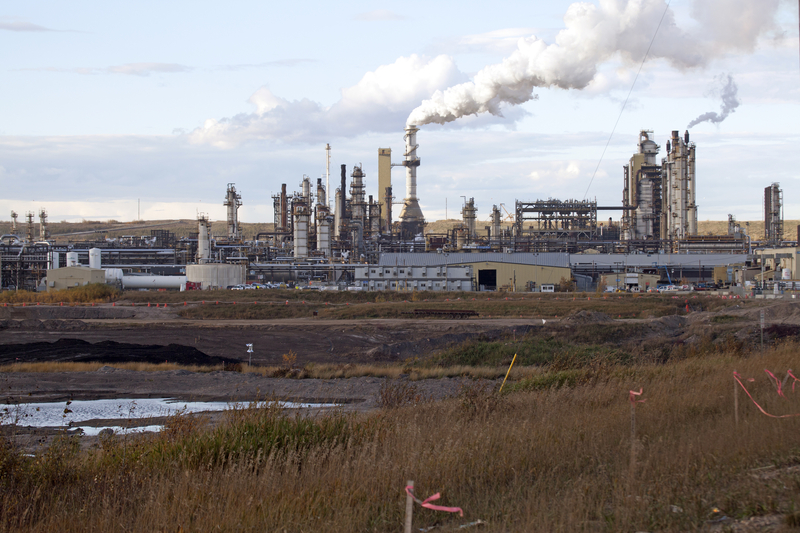
With Canada worried about hostile policies of the US under President Trump – including the president’s repeated remarks about Canada becoming the “51st state” – the idea is to build new pipelines to ship western Canadian oil and gas from Alberta and Saskatchewan to existing and new refineries in southern Ontario, and new ports on James Bay, Hudson Bay, or the Great Lakes for export.

With the world’s third-biggest reserves in the world behind Venezuela and Saudi Arabia, Canada exported 2.85 million barrels crude oil a day in 2014, 97% of which went to the US.
At the same time, owing to Canada’s disparate regional refining capacities Canada imports crude oil from other countries, notably the US, which accounted for just over 53% of crude imports into Canada in 2014.
‘In the face of tariffs’
In July last year, the premiers of Ontario, Alberta, and Saskatchewan signed an MOU pledging to spur Canadian prosperity with measures including new energy and trade infrastructure.
Speaking of the feasibility study in October, Ontario Premier Doug Ford said: “We’re delivering on our plan to build a more competitive, resilient and self-reliant economy for Ontario and Canada and creating jobs for workers in the face of tariffs from the United States.”
Set to be finished this year, the feasibility study will assess land corridors, site options, and costs. It will also evaluate complementary development opportunities in Ontario such as all-season roads to the Ring of Fire – a mineral rich area in northern Ontario – mineral exports, electricity grid upgrades, and the establishment of a strategic petroleum reserve.
AtkinsRéalis said it will provide technical expertise in marine and port infrastructure including port siting and terminal feasibility, and will undertake engagement and consultation with Indigenous communities.
Manitoba?
The province of Manitoba, through which the proposed corridor would pass, did not sign the July MOU.
Manitoba Premier Wab Kinew told CBC in August that he didn’t sign because there was a lack of upfront consultation with people about the project.
He said a “true nation-building approach” required such consultation.
- Subscribe here to get stories about construction around the world in your inbox three times a week