












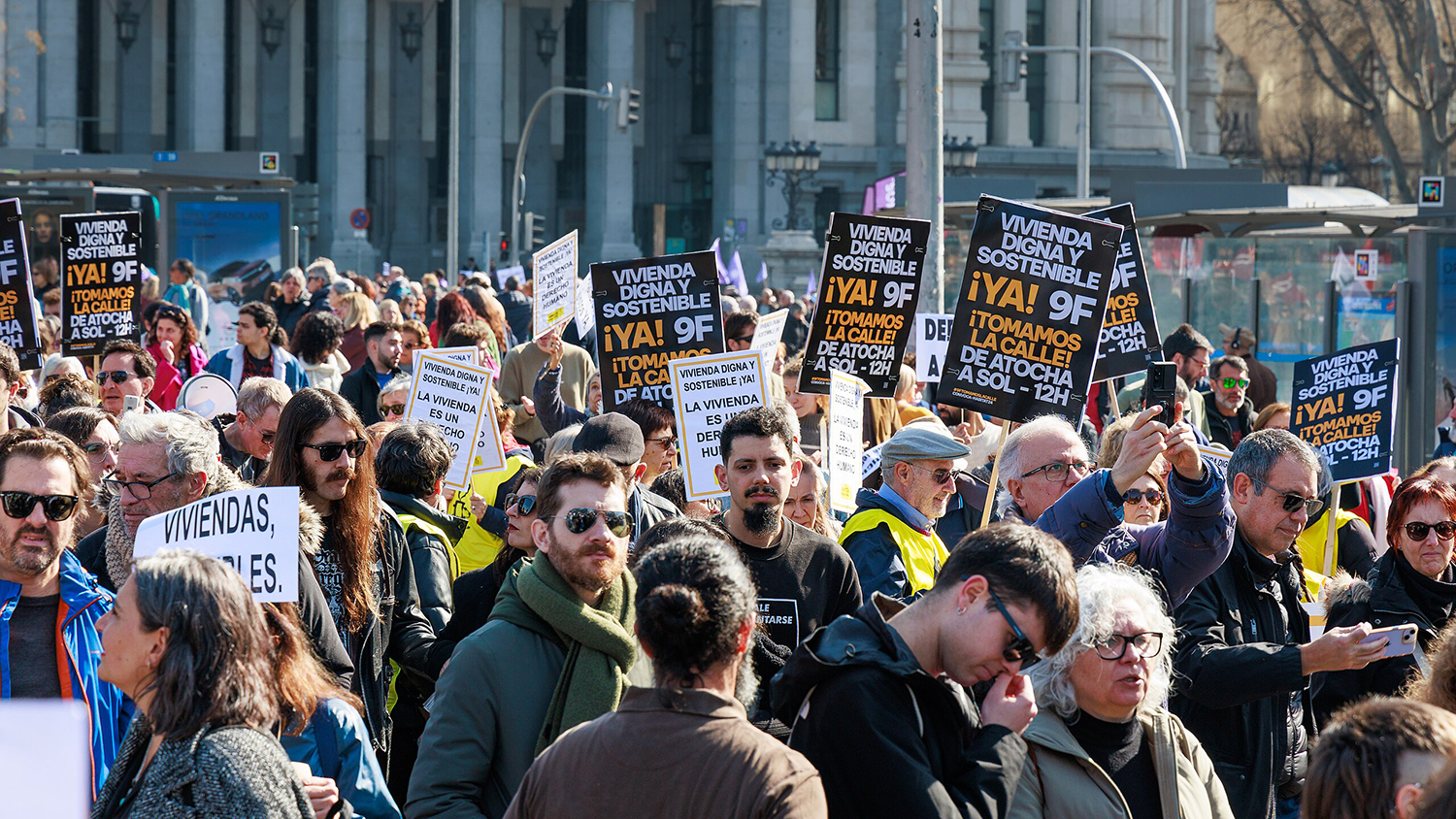
The EU’s new housing commissioner says the European Commission will try to tackle Europe’s housing crisis by easing state aid restrictions so countries can spend state funds on social housing, Euronews reports.
Dan Jørgensen, formerly a Danish minister for climate and energy, became the EU’s first European Commissioner for Housing last December.

Euronews reports that rents in the EU rose by nearly 29% between 2010 and the second quarter of 2025, while house prices have risen by over 60%, leading to protests in cities over declining living standards.
“The crisis has reached a point that people with normal jobs and normal incomes are no longer able to live in many cities because it’s a bit too expensive,” Jørgensen said.
“I wish we were not in a housing crisis, but unfortunately, we are, so we need to do more to rectify that situation.”
The Commission – the executive branch of the EU – is expected to unveil the “EU Affordable Housing Plan” this month.
“If we are to solve the housing problems, we have to look at investments, energy, social policies, internal market policies, and state aid rules,” Jørgensen said. “If we don’t do that, then I fear we will not solve the problem.”
Level commercial playing field
State aid rules restrict what member states’ governments can spend on sectors served by private enterprise to try to create a level commercial playing field.
“These rules refer to where the state can actually go in and support the building of new affordable housing or social housing. We have to admit that in the situation that we’re in now and the way the rules are now, they are way too strict,” Jørgensen said. “So, we need to transform them.”
He added: “Some might question why the EU even has a say on what goes on in a member state. But this is because of the internal market. It makes sense that we have rules for what you can support and not support.”
• Subscribe here to get stories about construction around the world in your inbox three times a week