











The Swedish Energy Agency (Energimyndigheten) has given Swedish low-CO2 cement start-up Cemvision a grant to conduct a feasibility study with Tata Steel on converting slag from steelmaking into feedstock for near-zero-carbon cement while also recovering valuable metals.
A successful result would be a win for heavy industry because cement and steel production together account for more than 15% of global CO₂ emissions.
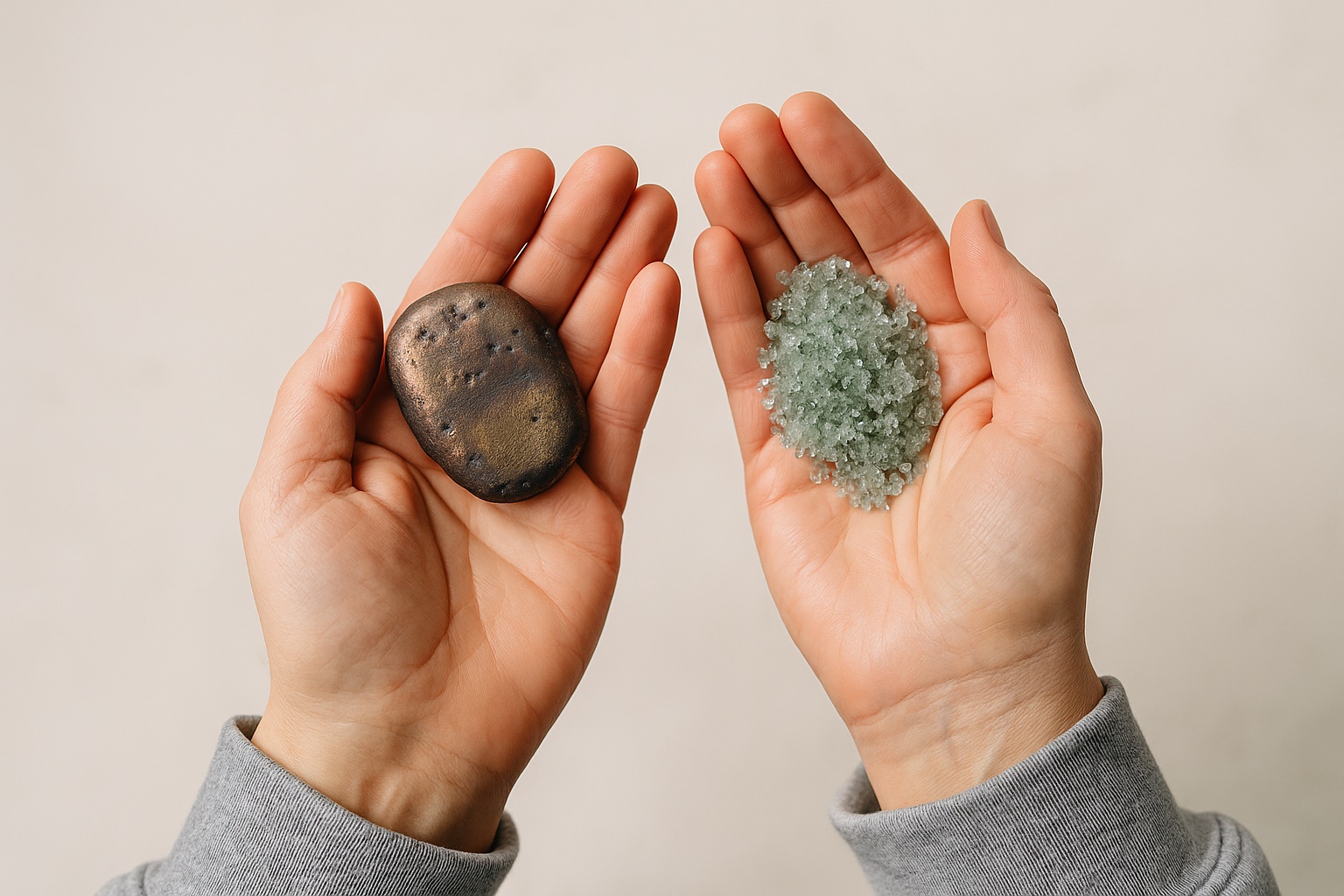
Steelmaking, meanwhile, generates big volumes of slag – a stony bi-product comprising impurities separated during smelting. Now, much of it is landfilled or used in low-value applications, so the idea is to turn low-grade slags into higher-value cement inputs.
The grant is part of the “India-Sweden Industry Transition Partnership” agreed by Swedish Environment Minister Romina Pourmokhtari and her Indian counterpart, Union Minister Bhupender Yadav, during Cop30 in Belém.
On its end, Tata Steel received a grant for the study from India’s Department of Science and Technology.
Valorising slag
The study will run for up to a year and will assess the technical, economic and operational viability of the company’s ideas for slag “valorisation” – the term used for turning low-value industrial waste into high-value ingredients – before designing a demonstration facility at Tata Steel’s site.
If the method works, the aim is to scale up production for world markets, including India.
“Being able to, at scale, turn environmental liabilities into valuable resources is exactly the kind of climate innovation heavy industry needs,” said Oscar Hållén, chief executive of Cemvision, which was formed in 2020 and made Fast Company’s Top 10 Most Innovative companies list in 2024.
He said the approach could also recover metals for use in steelmaking itself.
Tata Steel sees a chance to reduce CO2 emissions and generate value from slag streams.
Its vice president Subodh Pandey said: “This project can help us turn today’s slag into tomorrow’s low-carbon construction materials, creating dual value across steel and cement industries while advancing our net-zero ambitions.”
Cement and circularity
The India-Sweden Industry Transition Partnership was initiated by the international Leadership Group for Industry Transition (LeadIT), of which both Cemvision and Tata Steel are members.
Per Andersson, head of the LeadIT Secretariat, said: “LeadIT welcomes the Tata Steel–Cemvision partnership as a model for modern industrial collaboration, combining global industrial leadership, innovative solutions, and public support from India and Sweden to advance decarbonisation and circularity in the cement sector.
- Subscribe here to get stories about construction around the world in your inbox three times a week