











Saudi Arabia threatened to turn Qatar into an island in 2018. Now, they’re building a high-speed railway.
At the start of the decade, construction firms eyeing work in the Gulf region had to navigate the deep diplomatic gulf that suddenly opened between Qatar and Saudi Arabia and its allies, with a de facto blockade of Qatar in place between 2017 and 2021.
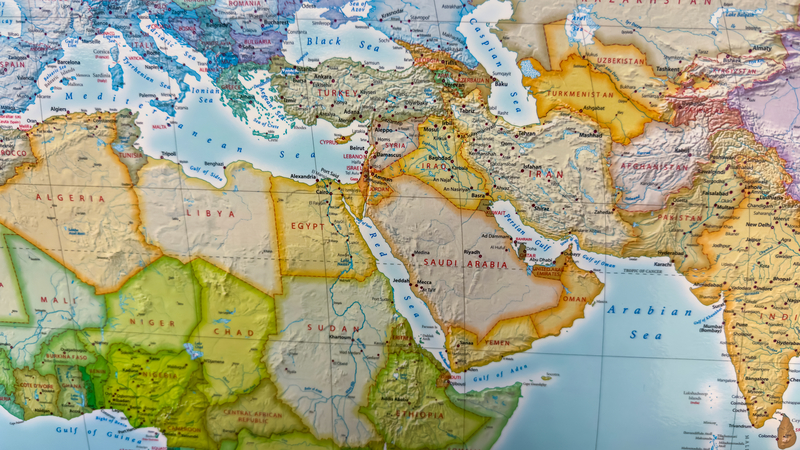
Now, the two neighbours are planning to build a 785km-long, high-speed electric railway between their capitals, Riyadh and Doha, cutting a 6.5-hour drive down to a two-hour train ride travelling at speeds of up to 300km/h.
The route will take in the Al-Hofuf and Dammam regions, with stations at Doha’s Hamad Airport and Riyadh’s King Salman Airport, the Saudi transport ministry said.
10 days to comply
It makes a change from 2017, when Saudi Arabia, the UAE, Egypt and Bahrain issued a 13-point ultimatum to Qatar, demanding it shift domestic and foreign policy away from supporting political Islam, and giving the tiny country 10 days to comply.
Qatar didn’t.
Relations got so bad that Riyadh threatened to turn Qatar, which sits on a peninsula jutting from the Saudi Gulf coast, into an island by digging a moat, in the form of a canal, along the border.
At the time, Qatar was in the middle of an unprecedented construction boom as it prepared for the 2022 World Cup.
Six years to build
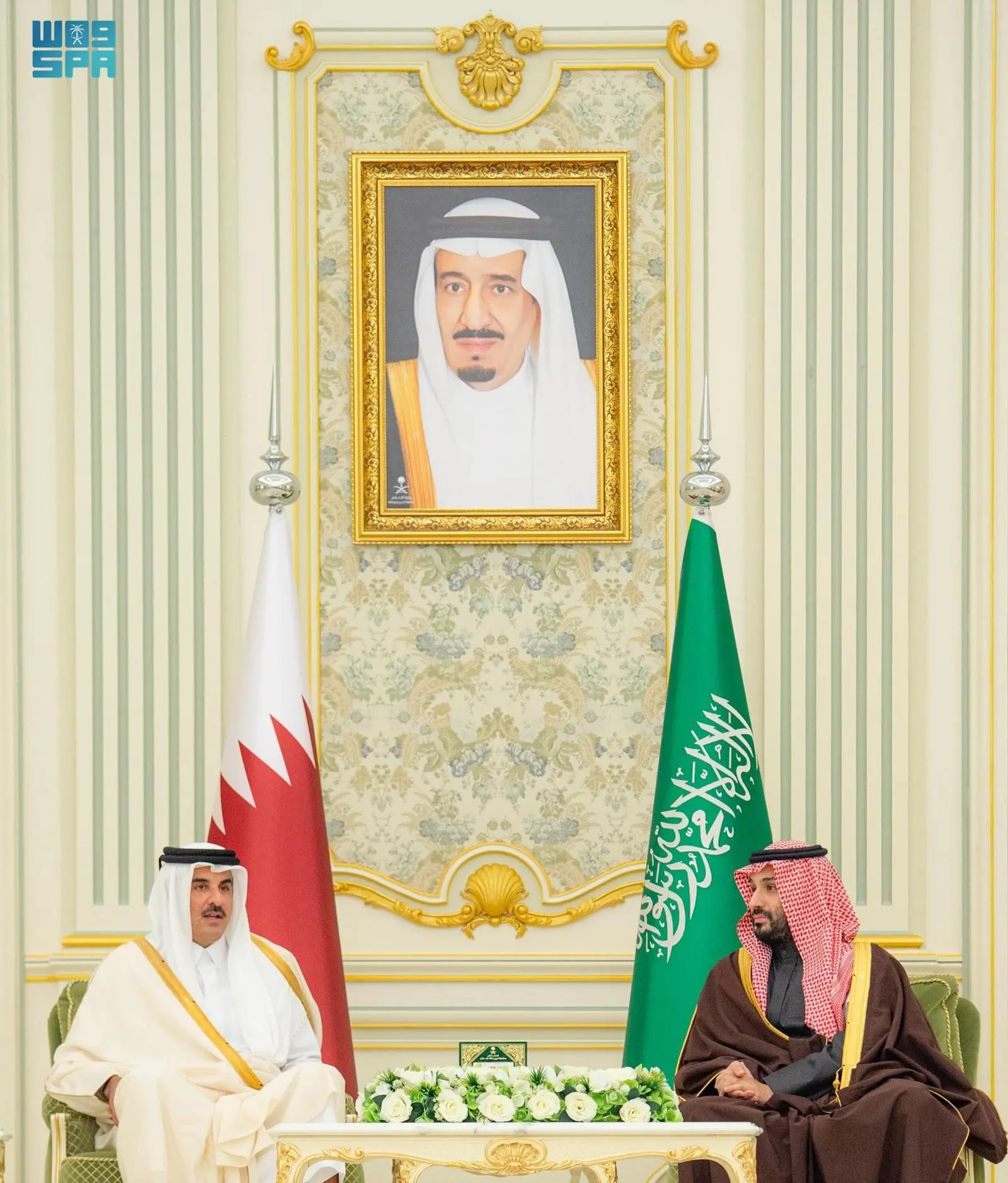
Now, the countries are making good on the resumption of diplomatic relations agreed in 2021.
The Saudi transport ministry believes around 10 million passengers would use the railway a year for business and tourism, generating $30.6bn for the two countries to share, and that it would create 30,000 direct and indirect jobs.
The ministry estimates it will take six years to build.
It said the line would be “one of the most strategic projects that support regional development and cement connectivity and integration among the GCC countries”.
For Qataris, that’s a major improvement on being physically cut off from the Arabian Peninsula altogether.
- Subscribe here to get stories about construction around the world in your inbox three times a week
Further Reading: