














The Grenfell catastrophe and subsequent cladding crisis still embroiling the UK has echoes and variations around the developed world, which call into question the efficacy of governments’ approaches to building safety regulation in recent decades.
To shed light on the topic, the Chartered Institute of Building (CIOB) will hold an online seminar featuring leading international experts on 14 September, entitled Building Safety Regulation in a Changing World: Global Lessons for Reform.
It will take place 12-2pm on Monday 14 September and will feature the following speakers:
- Dame Judith Hackitt DBE, advisor on building standards for the UK and Australian Governments, chair of the Independent Review of Building Regulations & Fire Safety, a report commissioned by the UK government after the Grenfell fire;
- Professor Kim Lovegrove, board member of the International Building Quality Centre (IBQC), who led the development of the first International Model Building Act (IMBA) published in February this year and backed by CIOB;
- Jayashree Srinivasan, regulatory specialist at the World Bank Group and topic lead in the World Bank’s Business Ready Project; and
- Dr Victoria Hills, chief executive of CIOB.
Reckoning with the performance-based code revolution
Soon after the IMBA was published, Kim Lovegrove said the act, drawn from good practice tested in countries around the world, can prevent harm arising from what he called the “performance-based code revolution” – where contractors are allowed to bypass the prescribed route to getting building consents but use that leeway to cut corners on safety.
“There’s been a very strong emphasis in the last decade on building codes, understandably, but there’s been an under-emphasis on the umbrella legislation that calls up the code,” he said.
“The performance-based code revolution gave applicants the discretion to not use the prescribed route to getting building consents. But often there isn’t the managerial or overarching regulatory infrastructure to ensure that the freedoms afforded by performance-based building codes are not abused.”
Accordingly, the act emphasises risk classification first, moving from there to accountability, oversight and enforcement.
Why is the World Bank interested?
Jayashree Srinivasan leads on the topic of building regulation for the World Bank’s Business Ready – or B-Ready – programme, a global health check on 101 countries scoring them on multiple factors deemed to foster an effective and sustainable business environment.
Asked why the World Bank was interested in building regulations, she told GCR: “This is a question we get asked many times. Building regulations sit at the intersection of nearly everything the World Bank cares about: protecting lives, managing climate risk, enabling private investment, and supporting sustainable urban growth.
“How a country builds its cities today really determines the safety and prosperity of its people for generations to come. And the scale of this is enormous. We hear the statistics all the time. 70% of the world’s population is expected to live in cities by 2050, and most of the buildings that will house them have not yet been built. So the question is not whether construction happens, of course it will happen, but whether it happens safely.”
‘Stronger codes save lives’
She added that building safety failures often contribute to countries needing World Bank assistance.
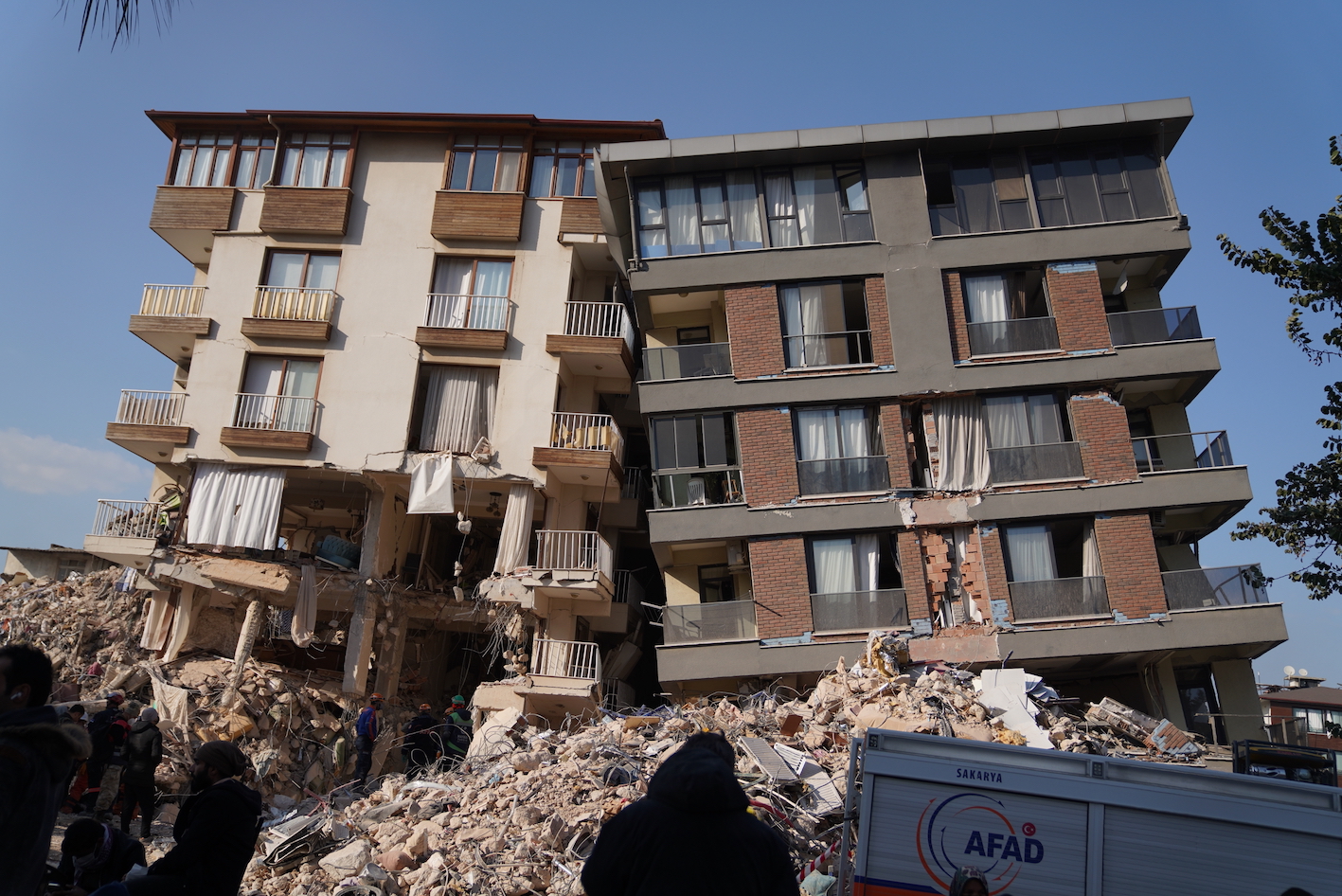
“Buildings that fail during earthquakes, floods, storms are a primary cause of disaster debts. And they fail disproportionately where regulatory frameworks are absent or not enforced. If you take the Turkey 2023 earthquake, structures that had stricter requirements like hospitals and schools generally performed well, whereas less regulated buildings collapsed. So, stronger codes and effective compliance saves lives.
“Building regulations are also central to the business environment, and this is where our assessment of Business Ready 2025 comes in. It measures the quality of building regulation frameworks, public services that deliver them, and efficiency of firms. We did this for 101 countries.
“This framework rests on a balance. Regulations should protect social interests like safety and sustainability, which allows firms to invest efficiently. Where permitting is transparent and predictable, it attracts formal investment. Where it’s opaque and burdensome, construction moves into informality and we get buildings that are never inspected against any code at all.
“So, in short, building regulation is a safety issue, a climate issue and also an economic issue, all at once.”
- To learn more about the seminar and to register, visit here.