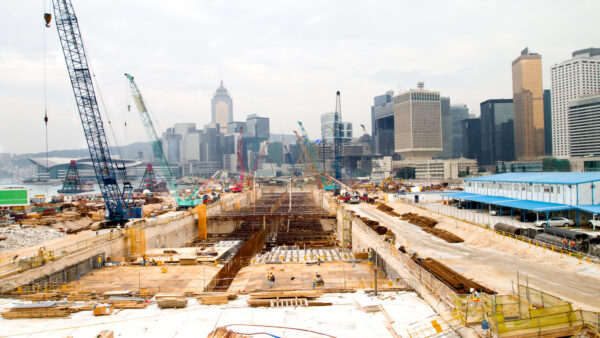















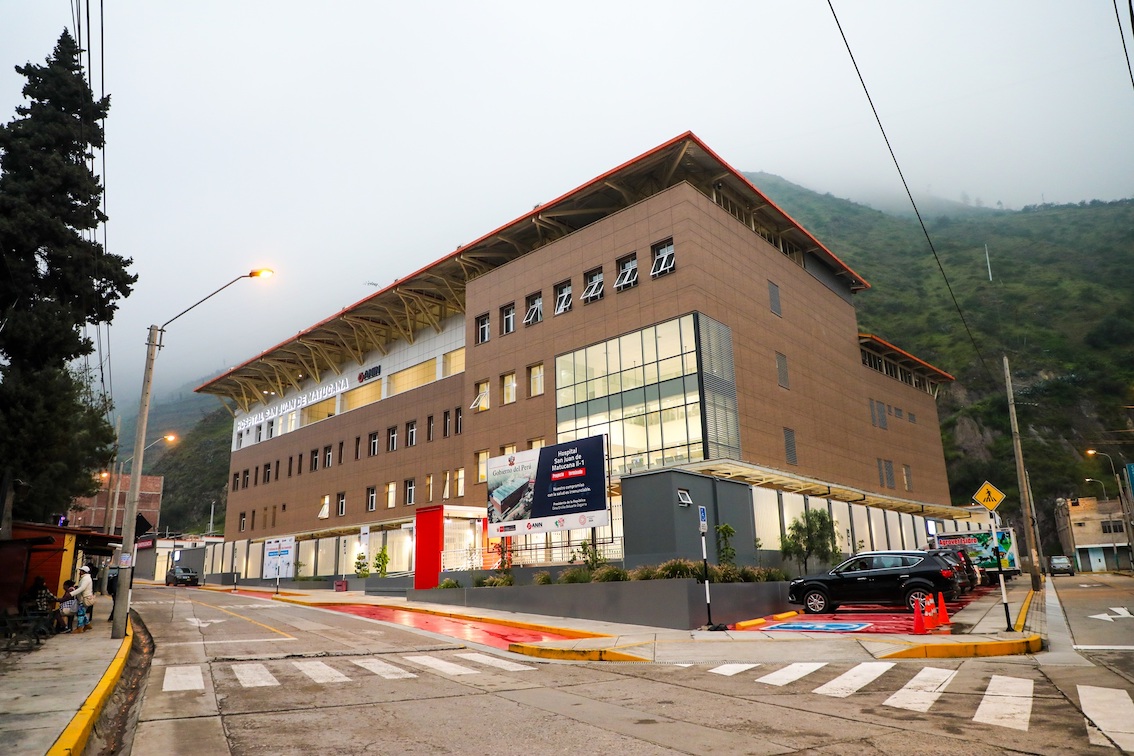
Peru has become an unexpected reference point in the global debate about how to deliver public infrastructure better, faster and with greater long-term value.
While many countries across Latin America and the Caribbean continue to wrestle with slow procurement cycles, institutional bottlenecks and ageing delivery systems, Peru has been busy demonstrating that a different approach is not only possible, but replicable. And the construction world is paying attention.
Since 2020, Gleeds – working alongside Mace, Arup, Aecom and Currie & Brown – has supported three major UK Infrastructure Partnership programmes in Peru (previously referred to as government-to-government, or G2G, programmes): Peru Reconstruction, Bicentennial Schools and Complex Hospitals.

These programmes are not theoretical models or small-scale pilots. They are large, complex, real-world interventions that show what happens when a government chooses to partner directly with another to bring in international expertise, transparent governance and structured knowledge transfer.
The context is familiar in Latin America and the Caribbean. Infrastructure demand is rising but delivery capacity often lags behind. Investment gaps, outdated procurement frameworks and limited institutional capability can slow projects to a crawl.
Peru faced the same constraints but, instead of accepting them, it opted for a fundamentally different delivery model. The partnership approach brought in a blend of UK technical, commercial and programme expertise supported by a governance structure designed to accelerate delivery and raise standards.
The result was a step change in both pace and quality.
Two to three times faster
The evidence is compelling. According to the Peru Reconstruction Impact Evaluation Report produced by Mace, Arup and Gleeds, schools and hospitals have been delivered two to three times faster than under traditional methods.
Communities are seeing tangible improvements: 81% of users report better access to healthcare, and 95% of students say modern learning environments have increased their motivation.
The economic impact is equally striking with more than US$1 billion in construction-related activity generated.
Meanwhile, integrated flood solutions are expected to prevent up to US$23bn in damages by 2030, a reminder that resilient infrastructure is not a cost but an investment.
These outcomes have sparked interest across the region, prompting others to ask what they can learn from Peru’s experience. The answer is not ‘copy and paste’. The model succeeds because it is adapted to local conditions, not imposed on them.
But Peru’s journey does offer a set of principles that other markets can use to shape their own reforms.
Reforming the machinery around delivery
The first lesson is that the wider ecosystem must evolve alongside the programme. A modern delivery model cannot thrive within outdated legal frameworks, rigid procurement rules or slow approval processes. Peru aligned these elements to support the pace and flexibility required. Countries looking to replicate the model must be prepared to reform the machinery around delivery, not just the delivery mechanism itself.
The second lesson is cultural. International expertise only delivers value when local institutions are open to new ways of working. These programmes succeeded because they fostered collaboration across organisational and national boundaries, encouraged transparency and created an environment where knowledge transfer could take root.
Other markets will need to cultivate the same openness if they want to unlock the full benefits of international partnerships.
A third lesson is the importance of tailoring the delivery system to the client’s unique objectives. No two governments face the same pressures, and no two programmes share the same constraints. Peru’s approach worked because it was designed around the country’s specific needs, from flood resilience to education reform.
Other countries must invest time upfront to understand their own priorities, operating environments and political realities before designing a delivery model to suit.
Contracts everyone understands
Risk allocation is another critical factor. Balanced, internationally recognised forms of contract help attract high-quality contractors, reduce disputes and create a fair playing field. Peru’s use of transparent, familiar contract structures gave confidence to the market and helped maintain momentum. Countries seeking similar outcomes will need to adopt procurement practices that reward capability, not just low cost.
Perhaps the most important lesson learnt is that success is determined not at contract award, but during execution. The behaviours that define day-to-day delivery like collaboration, transparency, disciplined risk management, ultimately decide whether a project thrives or falters.
Peru’s programmes maintained these principles throughout, and the results speak for themselves.
Finally, long-term performance must be planned from the outset. Infrastructure is only successful if it delivers value over decades.
Peru’s programmes placed equal emphasis on operation and maintenance, ensuring assets were designed not just to be built quickly, but to perform effectively throughout their lifecycle. Other markets will need to adopt the same long-term mindset if they want to avoid the cycle of premature asset failure and repeated reinvestment.
- Richard Steer FCIOB is chair of Gleeds Worldwide