













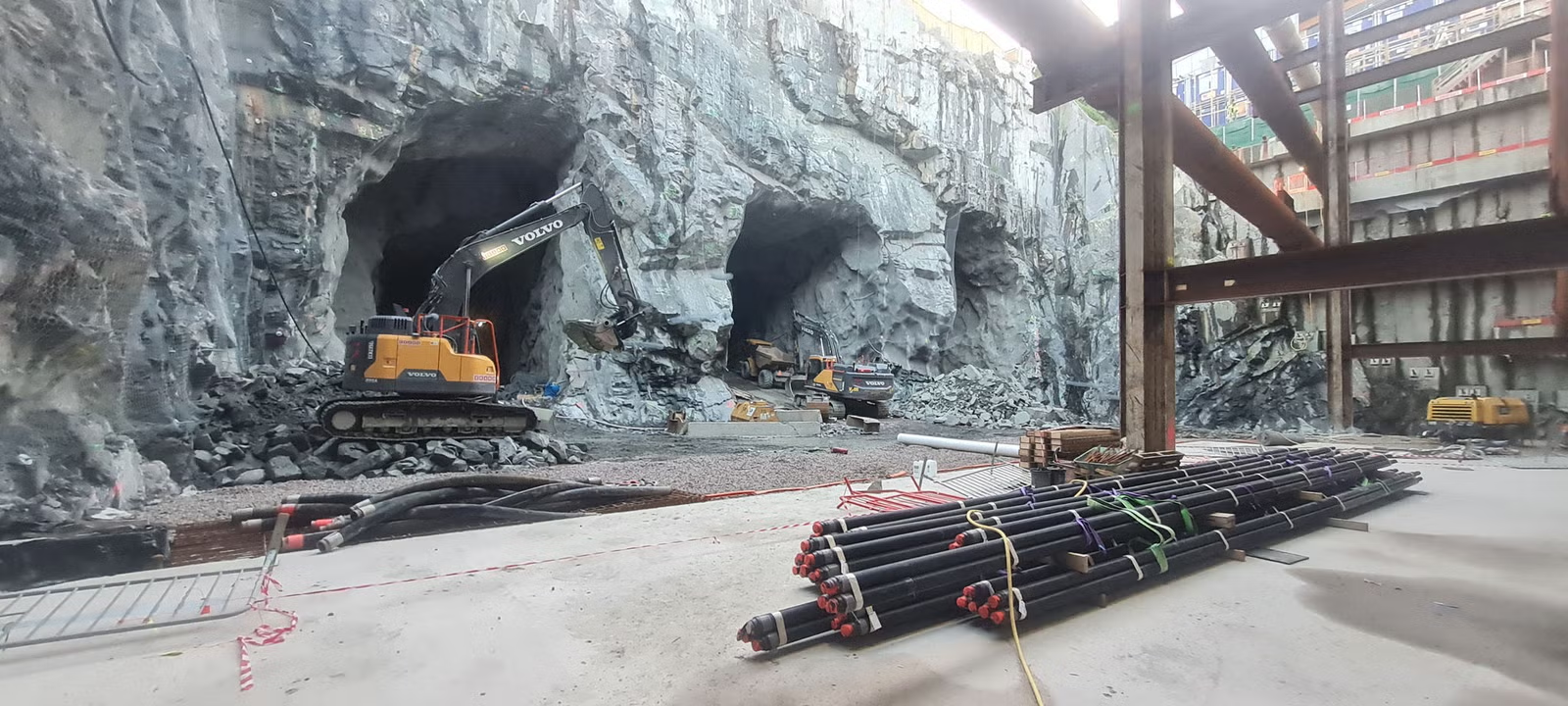
Cowi and Danish engineer Hottinger Brüel & Kjær (HBK) are using advanced structural monitoring on a project to build an 8km-long rail connection under Gothenburg in Sweden.
The project involves building 6km of tunnels and three new stations for the Swedish Transport Administration.
At Korsvägen Station, one of the most technically demanding sites, excavation requires careful management of load transfer between highly stressed bedrock and new reinforced concrete support structures.
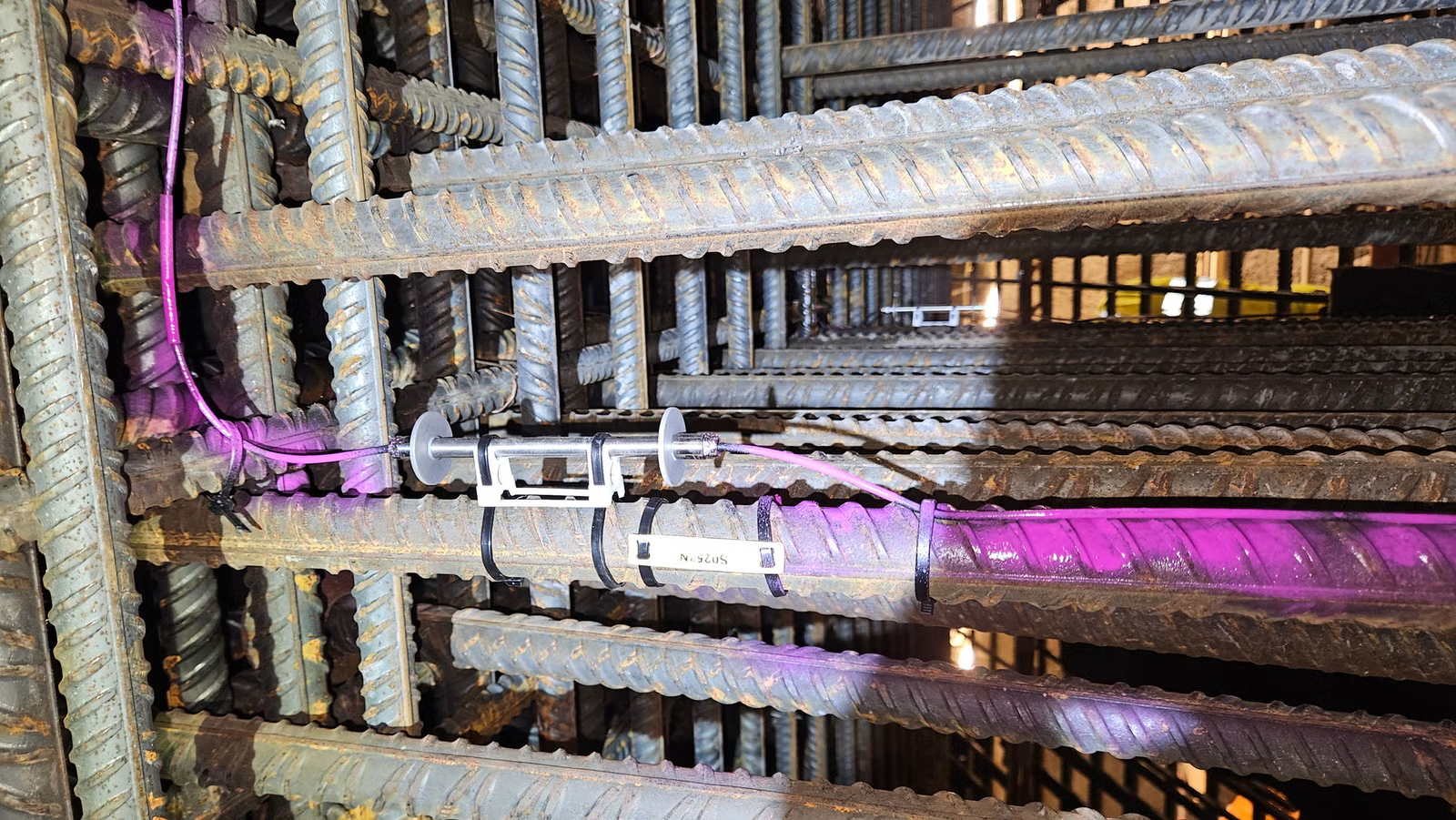
HBK deployed an integrated monitoring system combining fibre-optic sensing, multi-parameter instrumentation and, with Cowi, a fully automated engineering analysis that turns captured data into actionable engineering intelligence.
The system measures structural behaviour continuously during excavation and converts data into information to help engineers identify deviations in temperature, shrinkage and creep.
The technology has been designed to meet future needs, with instrumentation embedded for long-term structural monitoring once the station is operational.
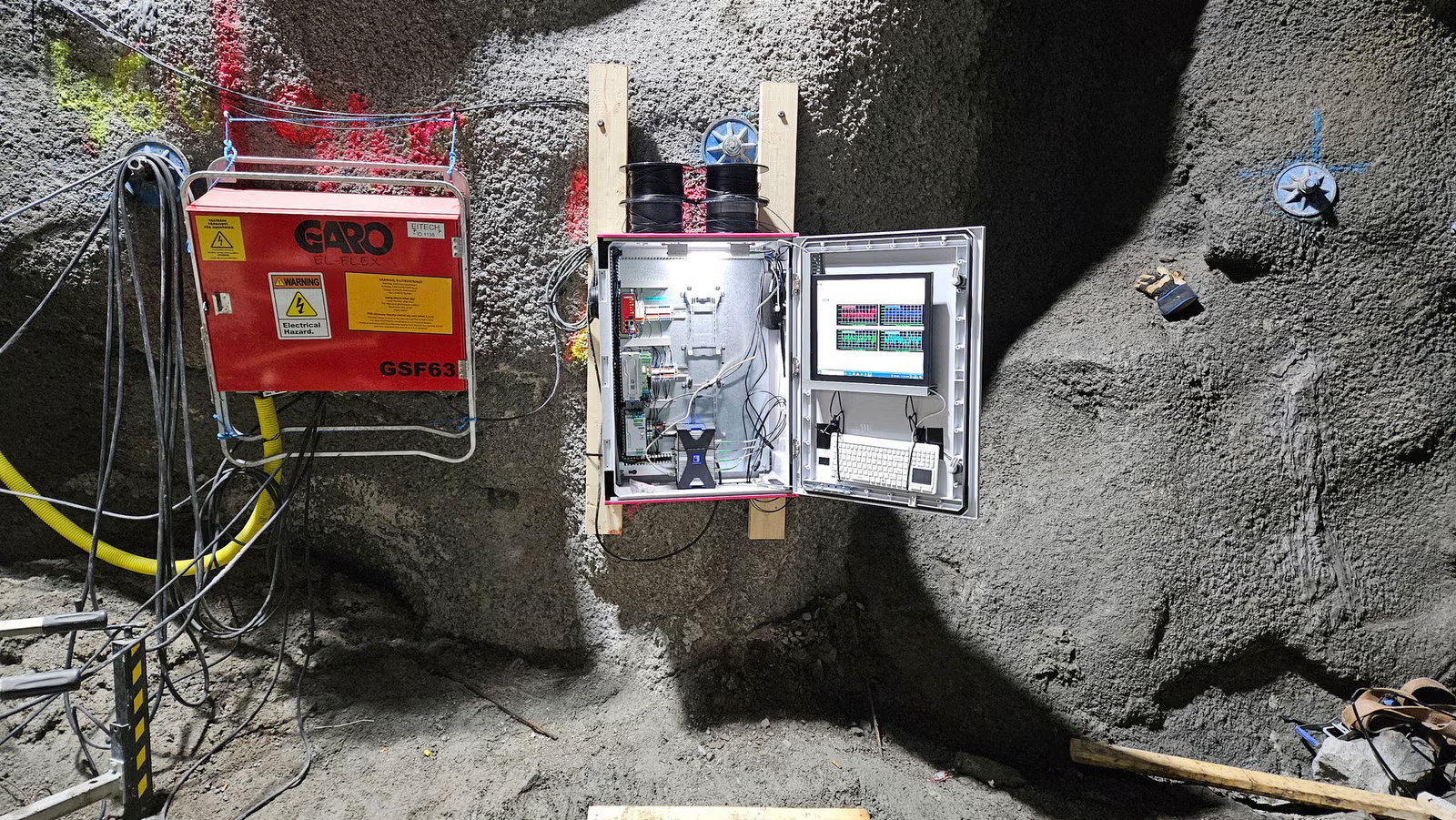
Dorin Lungu, site manager for concrete works on the project, said strain, temperature and humidity sensors would monitor the concrete columns during construction and into their 120-year lifespan.
“Major infrastructure projects require confidence in every decision made underground,” said Mats Rydén, HBK’s business development manager.
“At Korsvägen, we’re helping project teams move beyond data collection to engineering intelligence, providing the right product needed to manage risk, maintain progress and verify structural performance in one of Sweden’s most complex urban construction environments.”
- Subscribe to our newsletter here to receive construction news and insights from around the world straight to your inbox